Autoimmune Brain Panel™
Insights to support clinical evaluation of immune-mediated neuropsychiatric symptoms.
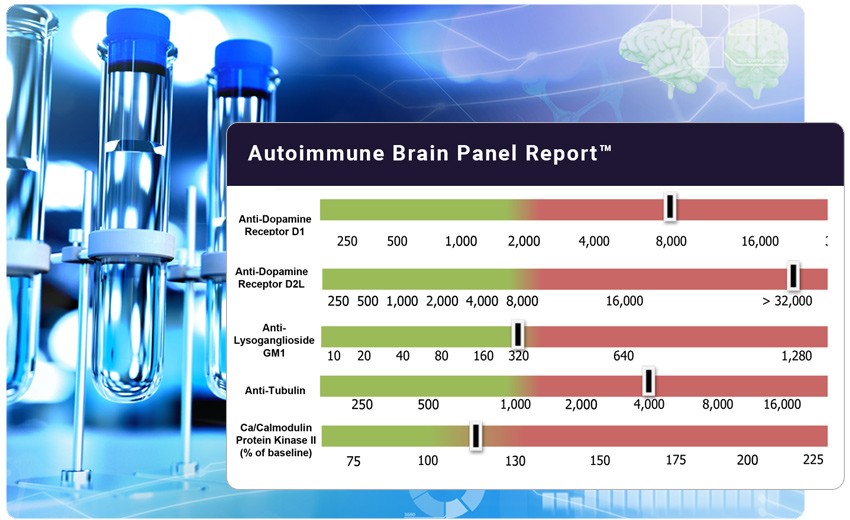
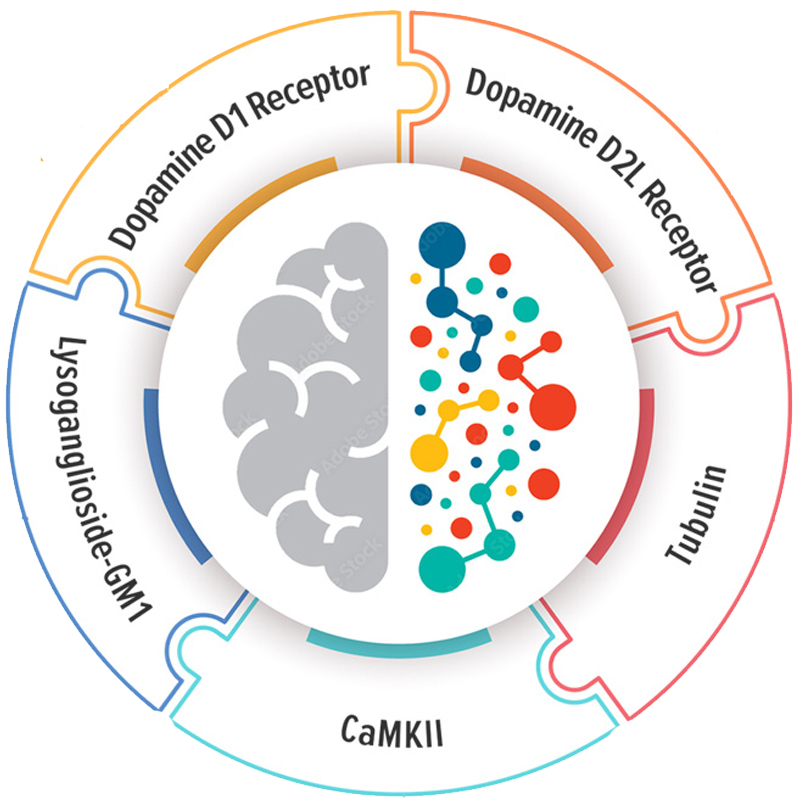
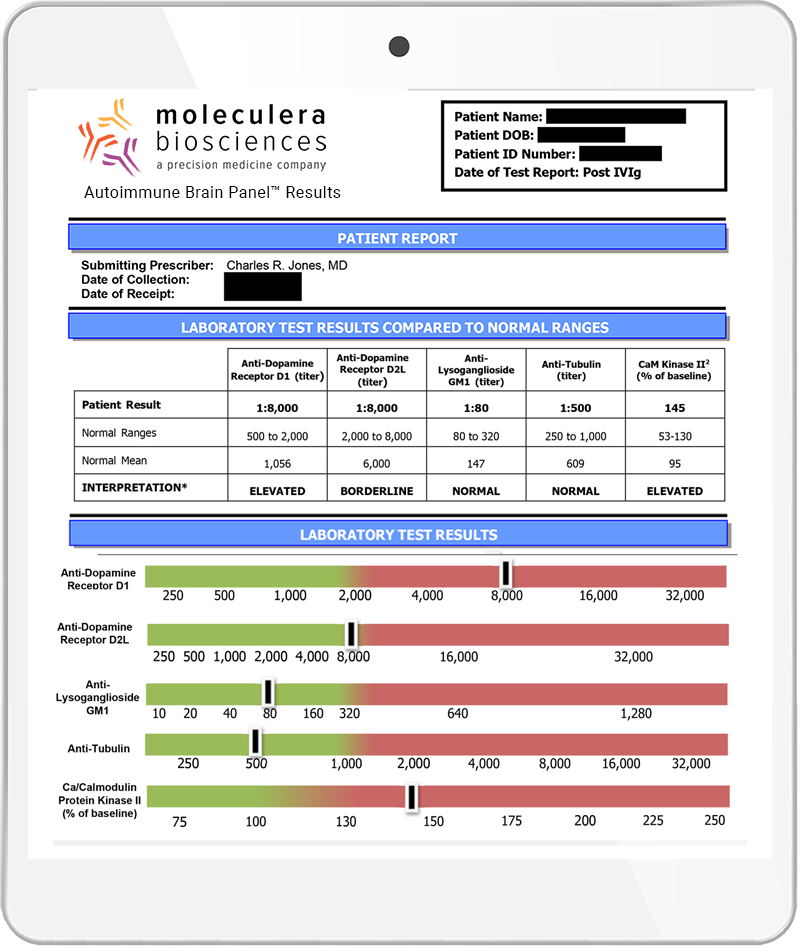
The Autoimmune Brain Panel™ (formerly the Cunningham Panel™) includes five clinically validated assays designed to help clinicians evaluate potential autoimmune mechanisms underlying complex neuropsychiatric presentations. Four assays measure circulating autoantibodies directed against neuronal targets: Dopamine D1 and D2 receptors, Lysoganglioside GM1, and tubulin.
These autoantibodies may bind to or block neuronal targets, interfering with normal cell function, and causing neuroinflammation, resulting in the onset of neurologic and psychiatric symptoms.
Go Page Below
Go Page Below
Go Page Below
The Autoimmune Brain Panel™ is designed to help uncover whether neuropsychiatric symptoms are being driven by an infection-triggered autoimmune response rather than a primary psychiatric or neurological disorder.
Identifying an autoimmune component is important, since it typically changes the course of treatment to focus on the underlying infections and immune dysfunction, rather than solely treating with psychotropic medications.
Once these conditions are properly identified and treated, many patients report dramatic improvement — ranging from significant symptom reduction to complete resolution.
Neuropsychiatric Symptoms and Test Biomarkers
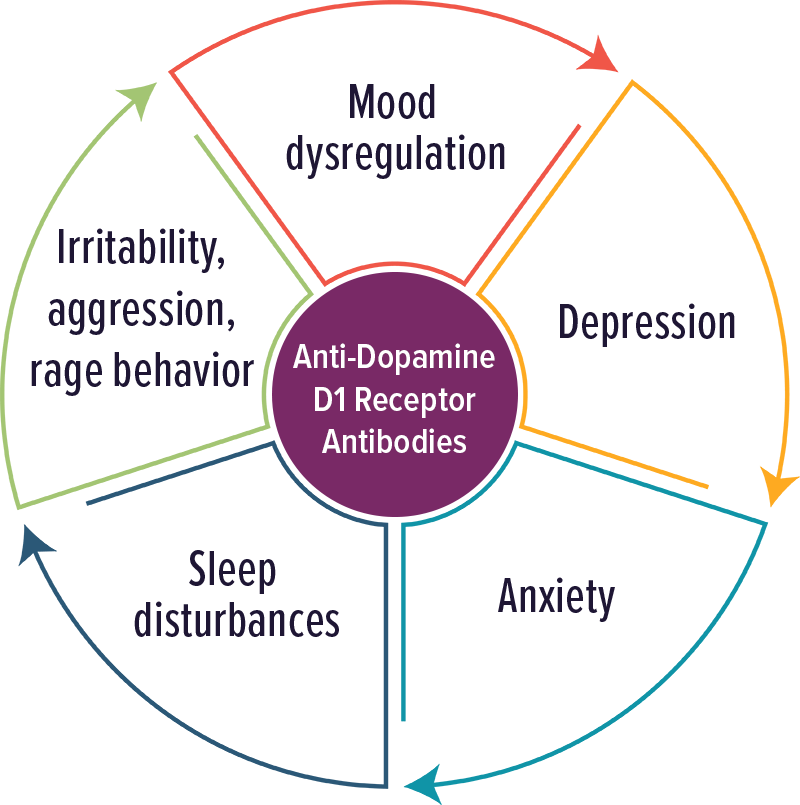
Anti-Dopamine D1 Receptor Antibodies
Individuals with elevated levels of autoantibodies against Dopamine D1 receptor typically experienced psychiatric symptoms, including psychosis.
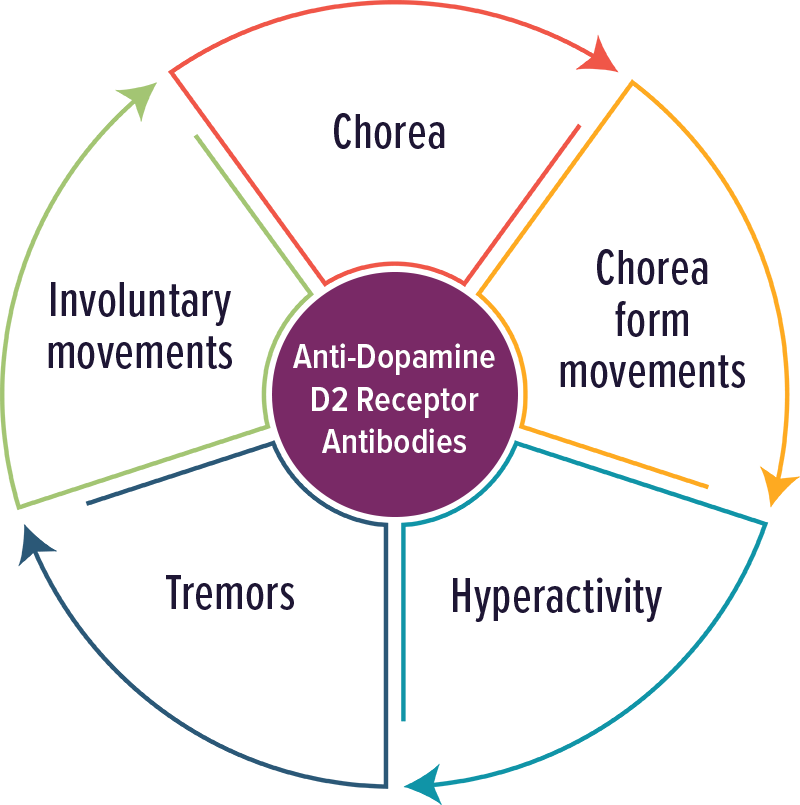
Anti-Dopamine D2 Receptor Antibodies
Individuals with elevated levels of autoantibodies against Dopamine D2 receptor typically experienced movement disorders and impulsivity.
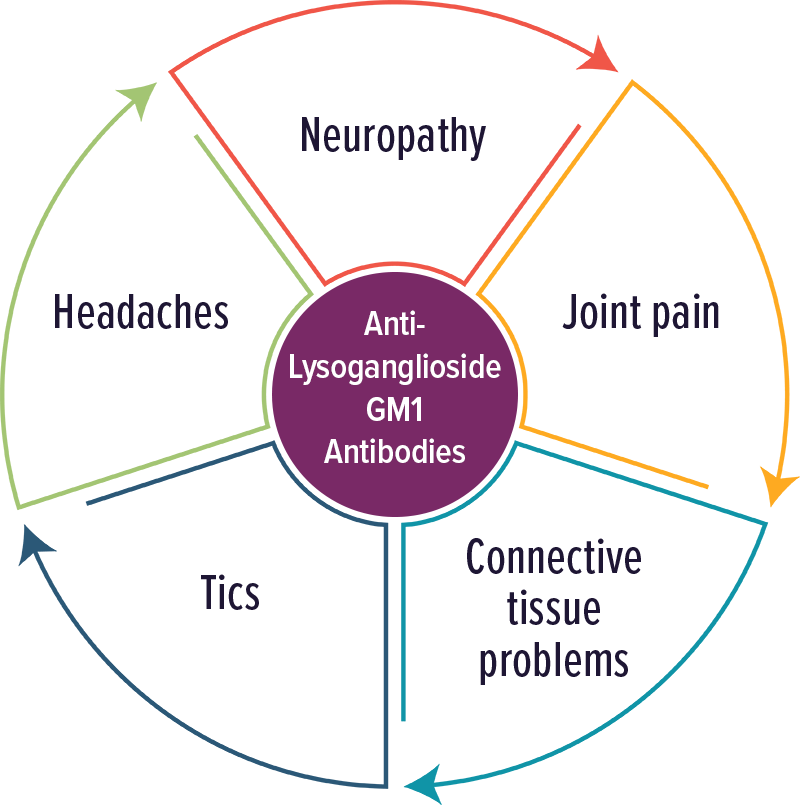
Anti-Lysoganglioside GM1 Antibodies
Individuals with elevated levels of autoantibodies against Lysoganglioside GM1 typically experienced neuropathic symptoms, including tics.
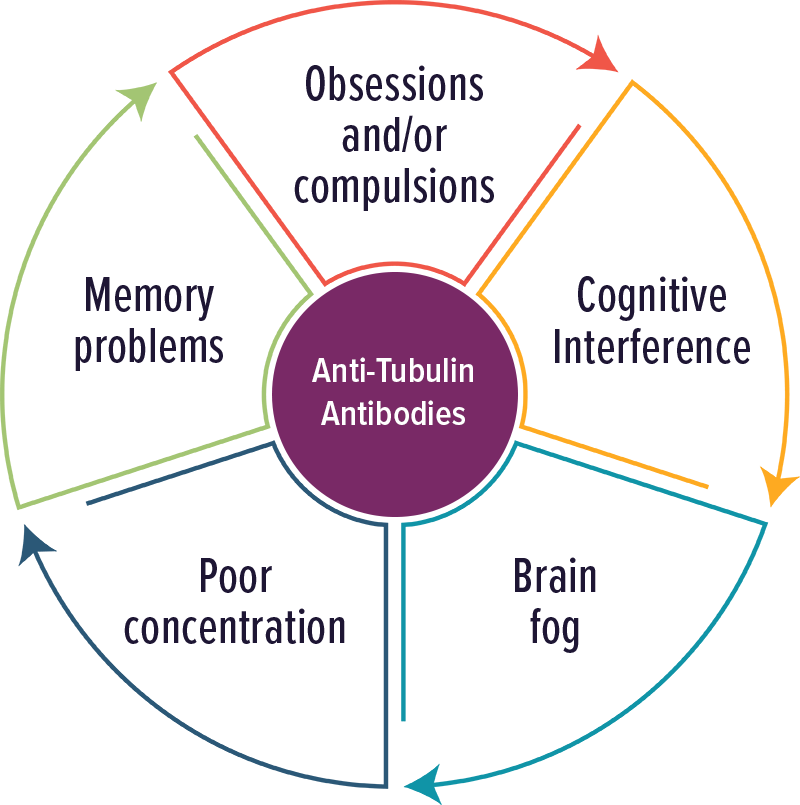
Anti-Tubulin Antibodies
Individuals with elevated levels of autoantibodies against Tubulin typically experienced cognitive complaints, OCD and brain fog.
CaMKII – A Cell Stimulation Assay
Individuals with elevated CaMKII levels were often positive with involuntary movements and any symptom of adrenergic activation.
An elevated CaMKII result indicates a patient’s autoantibodies are stimulating this enzyme. CaMKII is responsible for upregulating brain neurotransmitters such as dopamine, epinephrine and norepinephrine.
CaMKII activation may result in disrupted neuronal functioning, and trigger a variety of neurologic and/or psychiatric symptoms.